See how every student learns. Teach to reach them all.
A contextual learner profiler. Six short questions build a learner needs and engagement profile for every student, so teachers can teach the class in front of them.
One size does not fit an African classroom
Across Africa, education is still delivered the same way to every child: one textbook, one method, one language of instruction, one pace, one test. Classes of 60, 80, sometimes 120 students, all taught as if they learn identically.
But children do not learn identically. Some learn by seeing, some by hearing, some by doing, some by talking it through with a friend. When teaching ignores how a child actually learns, the child is not slow, the system is blind. That blindness is what the numbers below measure.
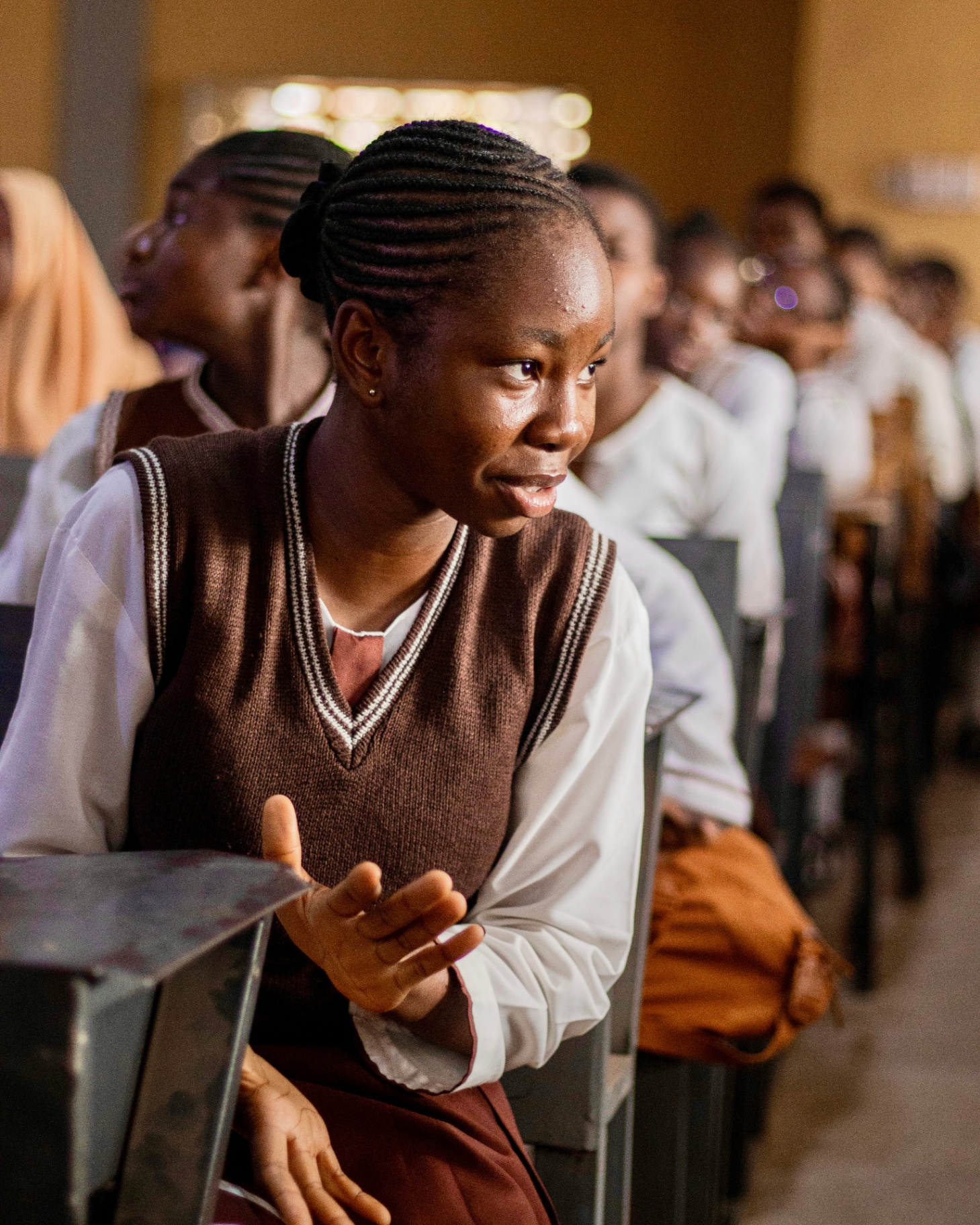
Africa is not failing to learn. Systems are failing to teach children in the way they learn, in the language and context they own. The evidence is now impossible to ignore.
of children in Sub-Saharan Africa cannot read and understand a simple text by age 10.
World Bank & UNICEF, 2022
of 10-year-olds globally are now in learning poverty, up by roughly a third since 2019.
World Bank / UNESCO / UNICEF, June 2022
in lifetime earnings is at risk for this generation of learners if the crisis is not reversed.
World Bank, 2022
UNICEF's 2024 research across 33 African countries reaches a single conclusion: solutions must be tailored to the local context. That is exactly what Òye is built to do.
What is Òye?
Òye, Yoruba for deep understanding, is a contextual learner profiler built for African classrooms. In six short, adaptive questions plus context probes, Òye builds a learner needs and engagement profile for every student: prior knowledge, language, preferences, and how they engage in class. It is a snapshot to inform teaching, not a fixed label on a child.
Teachers get a per-student teaching approach in plain language: how to explain a concept, what activities will land, what to avoid. It works in English, Pidgin, Hausa and Yoruba, and on low-bandwidth devices.
Profile in 6 questions
Adaptive to each student's context and language.
Teach to reach them all
Individual notes plus a whole-class teaching approach.
Built for the realities
Multilingual, low-bandwidth, offline-friendly. No diagnosis, no ranking.
Why Òye works where generic edtech doesn't
Contextual, not imported
Six adaptive questions in English, Pidgin, Hausa or Yoruba build a real learner profile in minutes, with no imported assumptions about how a child should think.
Grounded in the curriculum you already teach
Aligned to WAEC, NERDC, NaCCA, CBC and other national frameworks. Teachers upload their own notes and get plans that fit the syllabus, not replace it.
Works where classrooms actually are
Offline-first, low-bandwidth, mobile-first. Designed for African classrooms from the first line of code, not retrofitted for them.
What schools and teachers get
Per-student needs and engagement profile grounded in prior knowledge, language and how the child engages in class.
Per-class teaching approach with concrete activities matched to the learners actually in the room.
Downloadable, editable lesson plans as branded PDFs.
Curriculum-aware AI grounded in national frameworks and your uploaded notes.
Multi-role dashboards for teachers, school admins and global admins.
Weekly digests, class analytics and adaptive re-assessment over time.
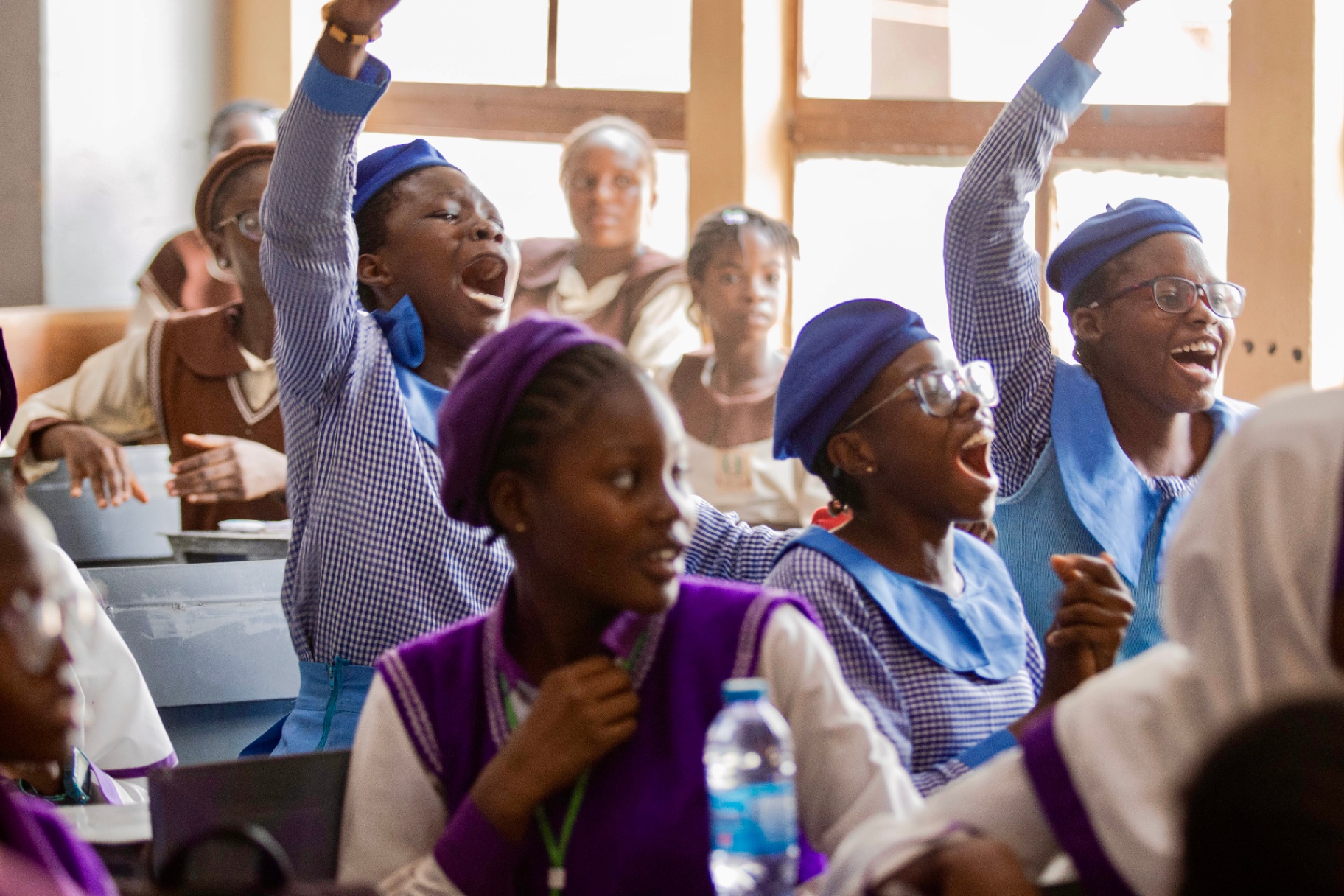
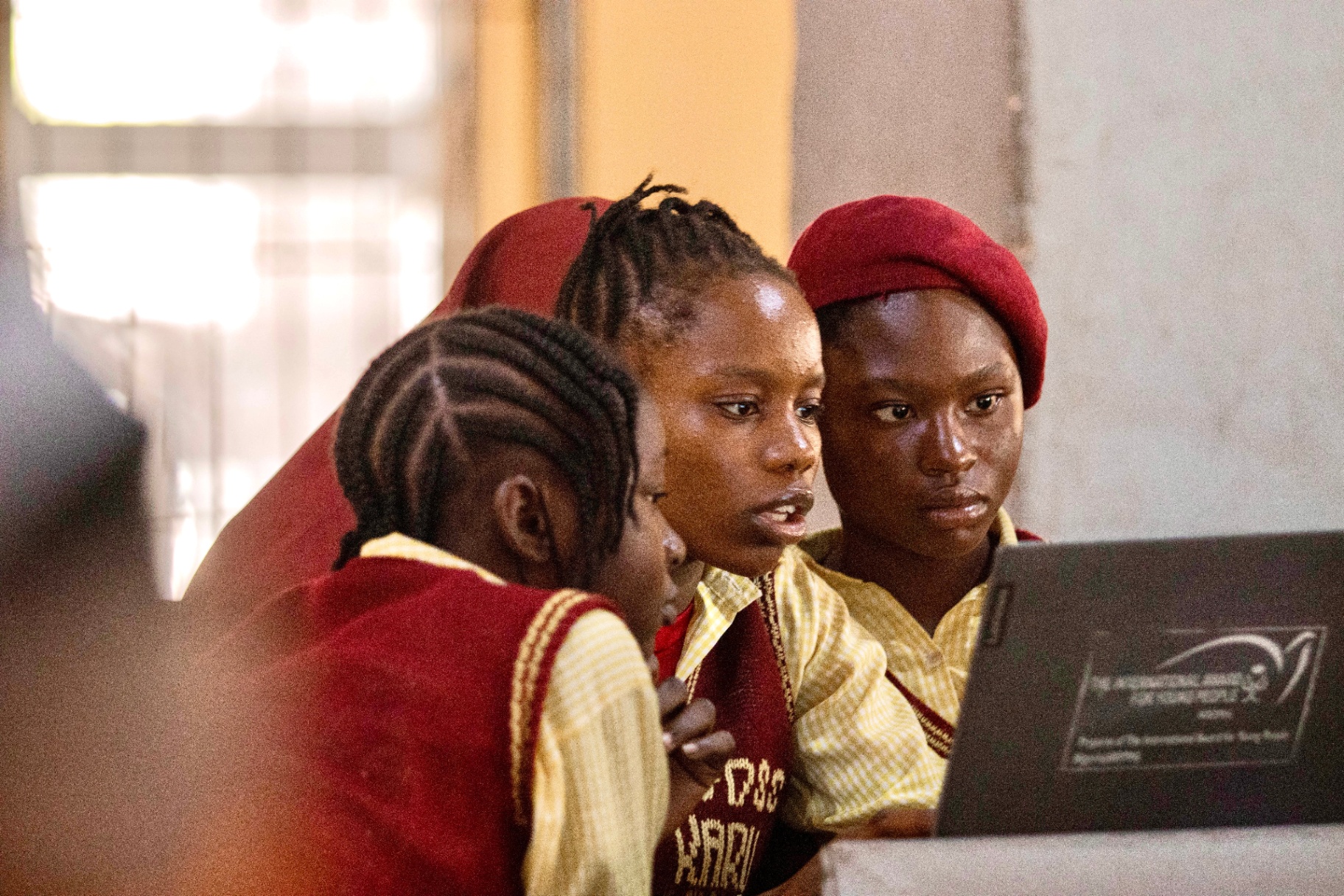
Built with and for classrooms like these.
Get started
Òye administrator? Sign in here.
References
- 1. World Bank, UNICEF, UNESCO, FCDO, USAID, BMGF, 70% of 10-Year-Olds now in Learning Poverty (June 23, 2022). worldbank.org
- 2. World Bank, The State of Global Learning Poverty: 2022 Update. PDF
- 3. UNICEF Innocenti, Improving Education in Africa: Insights from research across 33 countries (November 2024). unicef.org
- 4. World Bank, Ending Learning Poverty brief (October 2022). worldbank.org
Òye is built by AfroTechXcel, technology in service of African learners.
Òye is not a diagnosis or a ranking. It is a snapshot, a tool for teachers to differentiate confidently.